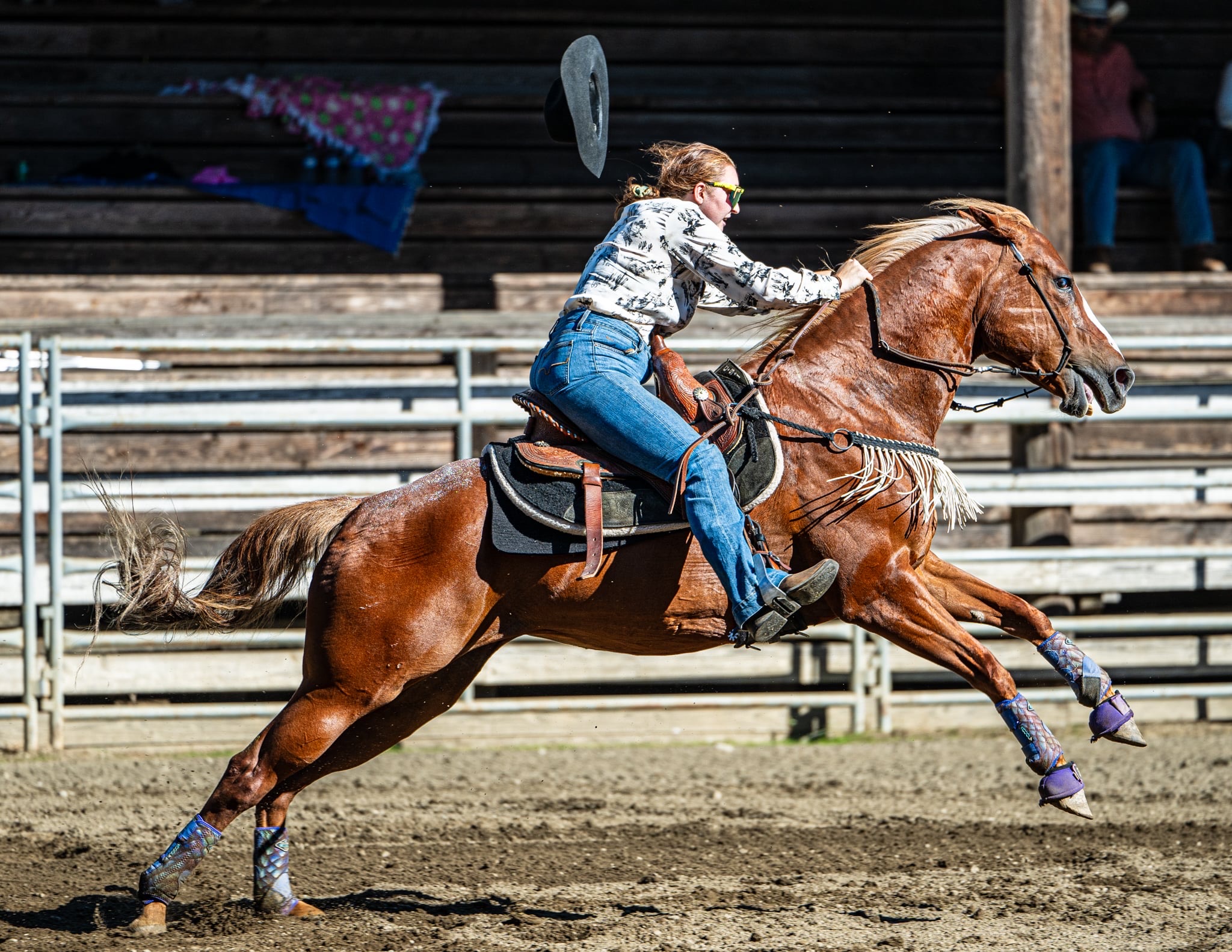
Your Horse Is Genetically Wired for Inflammation. Camelina Is One of the Few Fats You Can Safely Feed.
Cold-pressed camelina oil — a single-ingredient, Canadian-grown fat source confirmed safe for PSSM1 and HYPP horses.
“My 24 yr old quarter horse’s coat, mane, and tail look shinier than ever, he moves without pain, and it is helping him keep his weight.”
“Shiny coats, toned muscles, easy movement, balanced energy — my horses are happy and healthy.”
“My 12 year old American Quarter Horse sorrel mare’s coat is so amazingly shiny she literally ‘glows.’ Her mane & tail are silky smooth.”
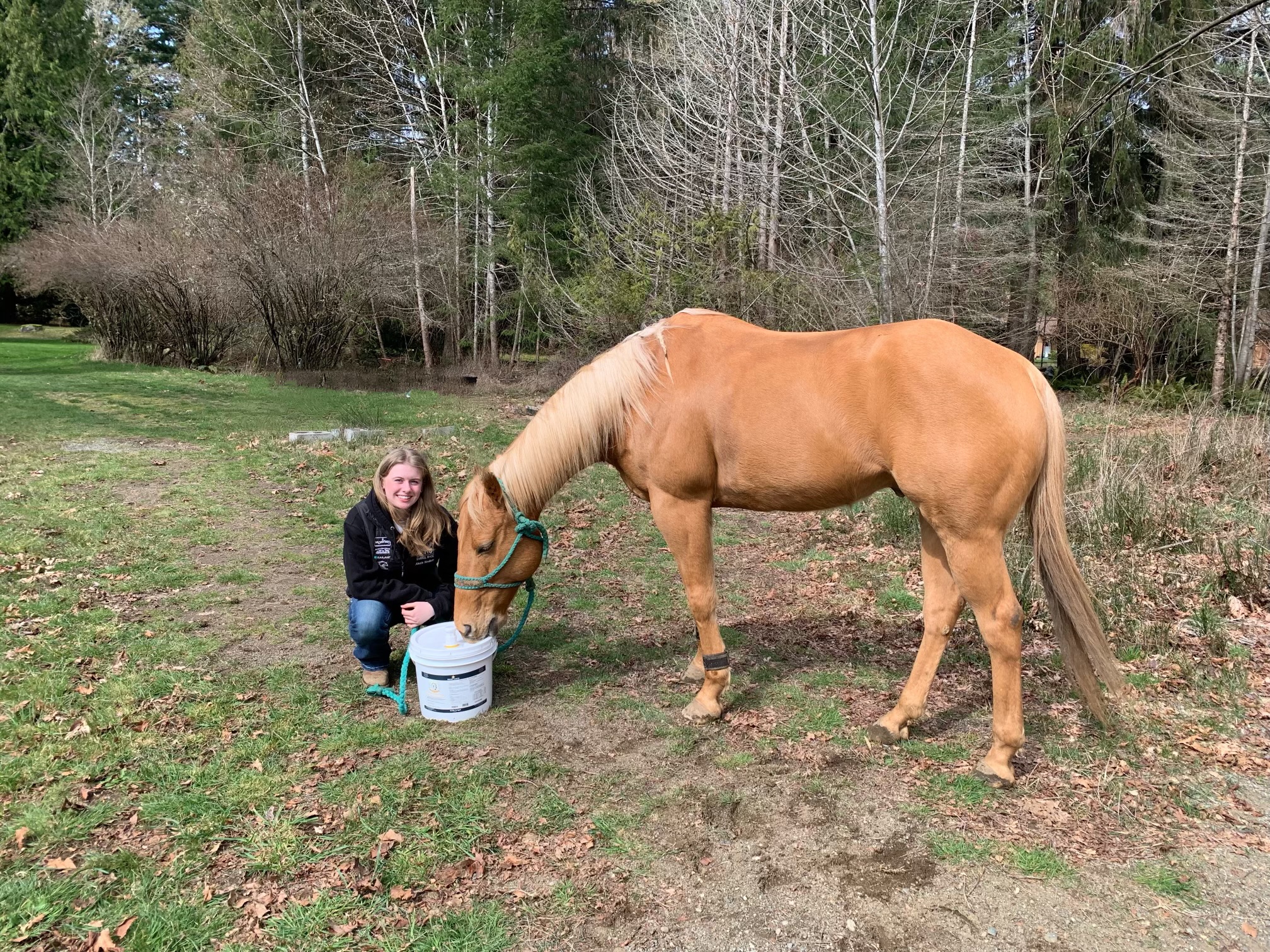
“My 24 year old barrel horse that was limping from bad knees has improved immensely after being on Camelina oil.”
The Reality of Owning a Quarter Horse
You Already Know Your Horse’s Genetic Profile. But Finding a Safe Fat Source Shouldn’t Be This Hard.
If you own a Quarter Horse, Paint, or Appaloosa, you already know the reality: these breeds carry a disproportionate genetic load of metabolic conditions. PSSM1. HYPP. Chronic inflammation. Soundness issues that seem to come out of nowhere.
You’ve probably had your horse tested. You probably know their N/H or N/P status. You’ve read the forums. You’ve called your vet. And you’ve spent hours trying to figure out what you can and can’t feed.
Here’s what makes it frustrating: most fat supplements and commercial oils are disqualified for metabolically sensitive horses. Corn oil? Pro-inflammatory. Canola? Pro-inflammatory. Soybean oil? Same problem. Rice bran? Too high in starch for some PSSM1 horses.
So you’re left with a very short list of safe options. And you’re still supposed to keep your horse sound, in show condition, and performing at their best.
“These horses are walking balls of inflammation. And most of what people are feeding them is making it worse.” — Jenna, Equine Specialist
Smart Earth Camelina Oil
One Ingredient. Safe for Your Horse.
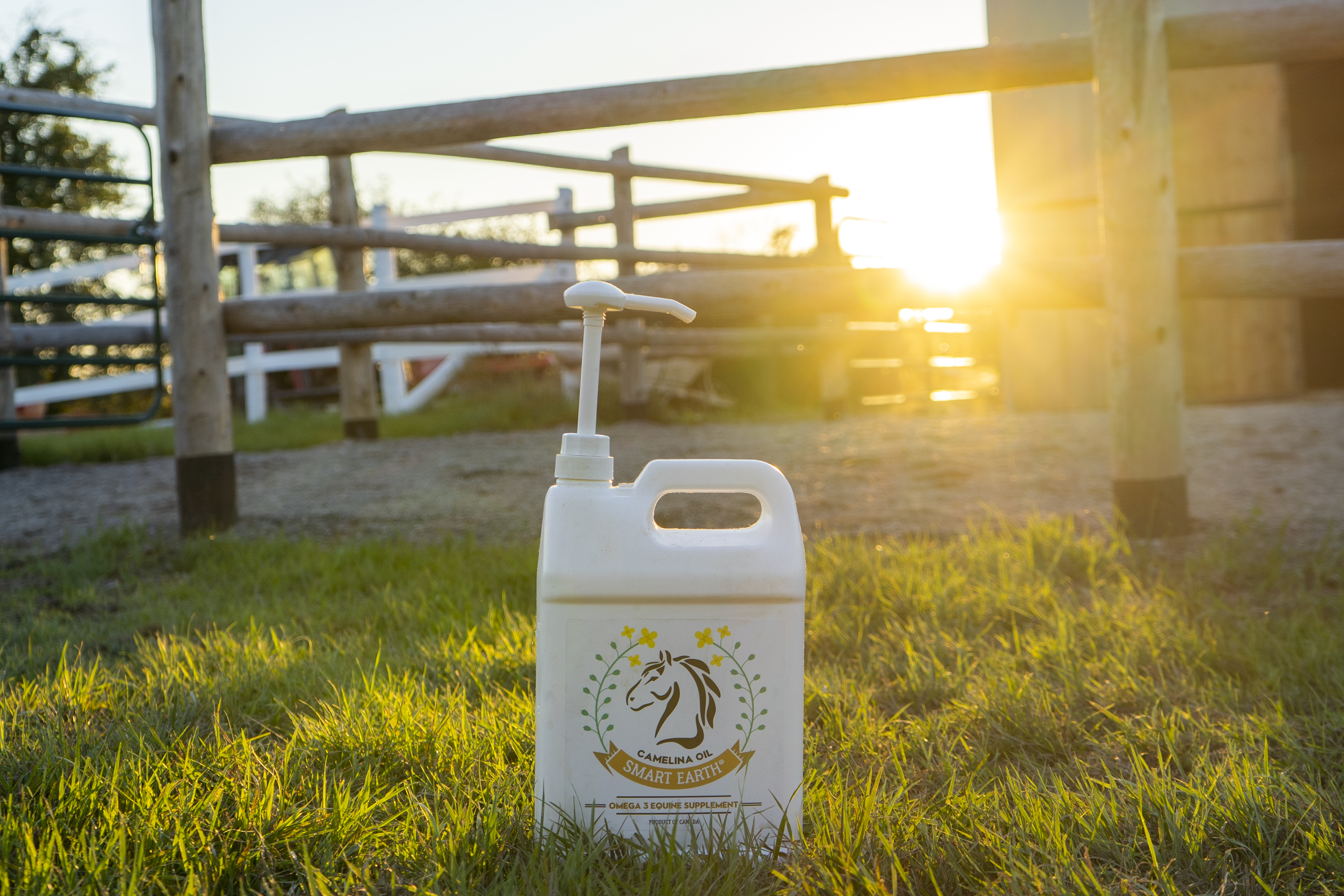
A single-ingredient, cold-pressed camelina oil grown and processed in Canada. No fillers, no additives, no GMOs, no glyphosate — just pure camelina oil with a naturally balanced omega-3, omega-6, and omega-9 fatty acid profile.
Unlike vegetable oils derived from commodity crops, camelina has never been selectively bred to reduce its ALA content. What you get is the oil nature intended — unaltered and unadulterated.
What Owners See in the First 30–90 Days
Smart Earth Camelina Oil is one of the few fat sources that works with your horse’s genetics — not against them.
Soundness That Lasts
A balanced omega-3, omega-6, omega-9 profile supports a healthy inflammatory response — helping your horse stay sound through training, competition, and recovery.
A Coat You Can See the Difference In
The essential fatty acids in camelina oil improve skin and hair follicle health from the inside out — most owners notice a visible difference in coat sheen within 3–4 weeks.
Hoof Quality from the Inside Out
Healthy fats are foundational to hoof wall integrity. Owners regularly report improved hoof quality and reduced chipping within 60–90 days of consistent feeding.
Safe Fat for Metabolically Sensitive Horses
Zero starches, no sugars, no glyphosate residue. Camelina oil has been specifically reviewed for safety in PSSM1 and HYPP horses — unlike corn, canola, or soybean oil.
Supports Healthy Gut Motility
Dietary fat aids in the absorption of fat-soluble vitamins and helps maintain healthy gut function — an important consideration for horses prone to GI sensitivity.
Anti-Inflammatory Support Without Drugs
ALA and GLA in camelina work through the body’s natural inflammatory pathways — providing support without the side effects associated with long-term NSAID use.
What Most Supplement Companies Won’t Tell You
Quarter Horses Have a Genetic Problem. And Most of What You’re Feeding Them Makes It Worse.
AQHA Quarter Horses, Paint Horses, and Appaloosas are among the most genetically tested breeds in the equine world — for good reason. PSSM1, HYPP, GBED, MH, and other metabolic conditions are alarmingly common in these bloodlines.
Line breeding has amplified these issues. The horses that win in the ring often carry the heaviest genetic load. Many owners have their horse’s five-panel results before they ever saddle up.
Here’s the problem: most fat sources commonly fed to horses — corn oil, canola oil, soybean oil, rice bran — are either pro-inflammatory, too high in starch, or both. For a horse with PSSM1, that’s not just suboptimal. It’s actively harmful.
Camelina oil stands nearly alone as a fat source that is both safe for metabolically sensitive horses AND delivers a balanced, anti-inflammatory fatty acid profile. This is not a marginal improvement over corn oil. It is a fundamentally different category.
What to Expect and When
Every horse is different, but here’s what owners consistently report across the first three months.
| Timeframe | What You Can Expect |
|---|---|
| Weeks 1–2 | Taste acceptance, subtle improvement in coat sheen, and mild energy improvement noted by some owners. |
| Weeks 3–4 | Noticeably better coat condition, clearer skin, softer mane and tail. Some horses show early signs of improved mobility. |
| Months 2–3 | Improved hoof quality, more consistent soundness during and after work, and a visible “bloom” that draws comments at the barn. |
| Month 3+ | Maintenance phase: peak coat, hoof, and inflammatory support. Most owners stay on camelina year-round at this stage. |
Real Customer Testimonials
Real stories from real horse owners who’ve made the switch.
“My Paint mare has PSSM. Within a week she was her usual self again. After a month she was a whole new horse — I couldn’t believe the difference. Her coat, her attitude, her movement. Everything changed.”
“My 23-year-old Quarter Horse mare went from light sorrel to deep chestnut — and she has dapples!! Her disposition has also improved noticeably. I’ve had dozens of people ask what I’m doing differently.”
“My 25-year-old retired Western Pleasure mare has brighter eyes, an improved stride, and my farrier commented on her hooves without me saying a word. That’s when I knew this was the real deal.”
See the Results for Yourself
Real owners. Real horses. Real results — in their own words.
Ready? Pick your size below!
Choose your size and save big. Every order backed by our 100% money-back guarantee.

1 gallon Jug
60 Day Supply · $1.25/day
$74.99 / Gallon
- Single-ingredient cold-pressed camelina
- $10 flat rate shipping
- 100% money-back guarantee

3.5gal Pail
210 Day Supply · $1.07/day
$55.71 / Gallon
- Single-ingredient cold-pressed camelina
- Free shipping on ALL orders over $100
- 100% money-back guarantee

5gal Pail
300 Day Supply · $0.87/day
$52.00 / Gallon
- Single-ingredient cold-pressed camelina
- Free shipping on ALL orders over $100
- 100% money-back guarantee
Common Questions We Hear
That’s completely normal. Camelina is a relatively new crop in North America, and most equine vets weren’t taught about it in school. That doesn’t mean it isn’t well-studied — there is peer-reviewed research on camelina oil in equine diets, and its fatty acid profile speaks for itself. We encourage you to share the research with your vet and have that conversation.
Camelina oil can be fed alongside most existing supplements — it’s a single-ingredient fat source, not a complete supplement. The question worth asking is: does your current fat source have the right omega profile for a metabolically sensitive horse? Most don’t. Camelina can simply replace or complement whatever fat you’re currently feeding.
At $0.87–$1.25 per day, camelina oil costs less than a coffee — and less than most equine joint supplements. If your horse shows measurable improvement in coat, soundness, and energy, the cost-per-result is hard to beat. And we back it with a 100% money-back guarantee, so the only risk is not trying it.
Frequently Asked Questions
Is camelina oil safe for PSSM1 horses? +
Is camelina oil safe for HYPP horses? +
How is camelina oil different from corn oil or canola oil? +
How much should I feed per day? +
Can I feed camelina oil alongside my current supplements? +
How long until I see results? +
Is this just for Quarter Horses? +
Where is it made? +
Your Horse Deserves a Fat Source That Works With Their Genetics, Not Against Them.
Cold-pressed. Single ingredient. Canadian-grown. Safe for PSSM1 and HYPP horses. Join thousands of horse owners who’ve made the switch.
TRY CAMELINA OIL TODAY →What Smart Earth Customers Are Saying
5,510 verified reviews from real horse owners.
